In 1974 Turkish troops seized more than a third of the island. Nearly 200,000 people lost their homes, and Cyprus remains divided to this day. Here is what happened, where we stand, and why we ask our guests to stay in the free south.
This article is unlike anything else in our guide. There will be no beaches and no tavernas. It is about the wound Cyprus has lived with for half a century, and about why we, the people behind this website, talk about it openly. We love this island and the people who built it. We are not going to pretend nothing happened.
What happened in the summer of 1974?
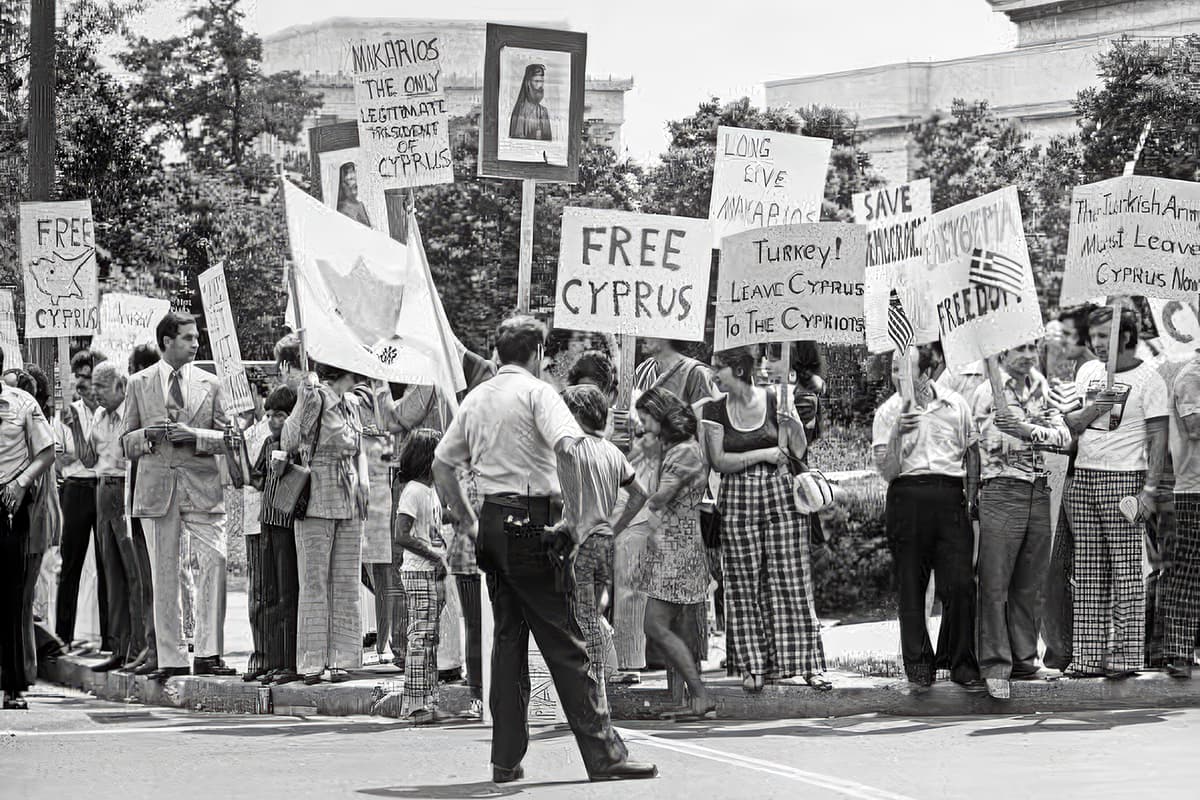
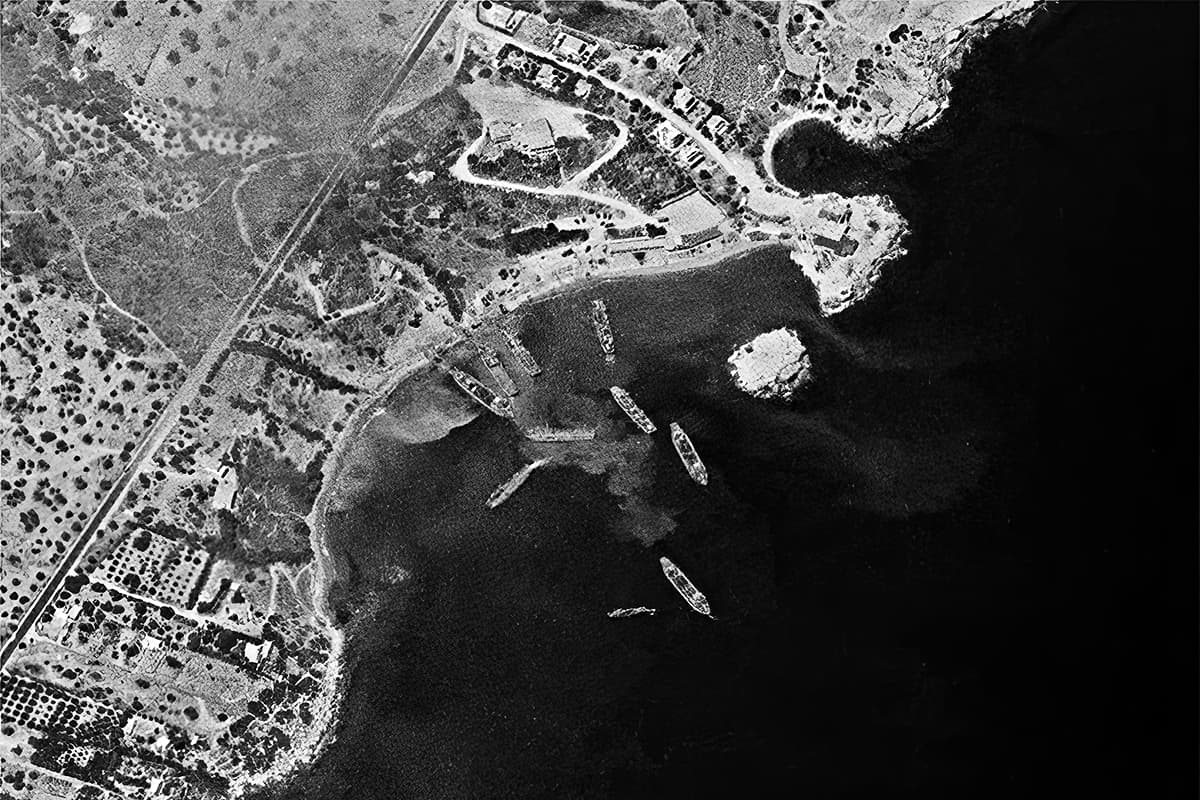
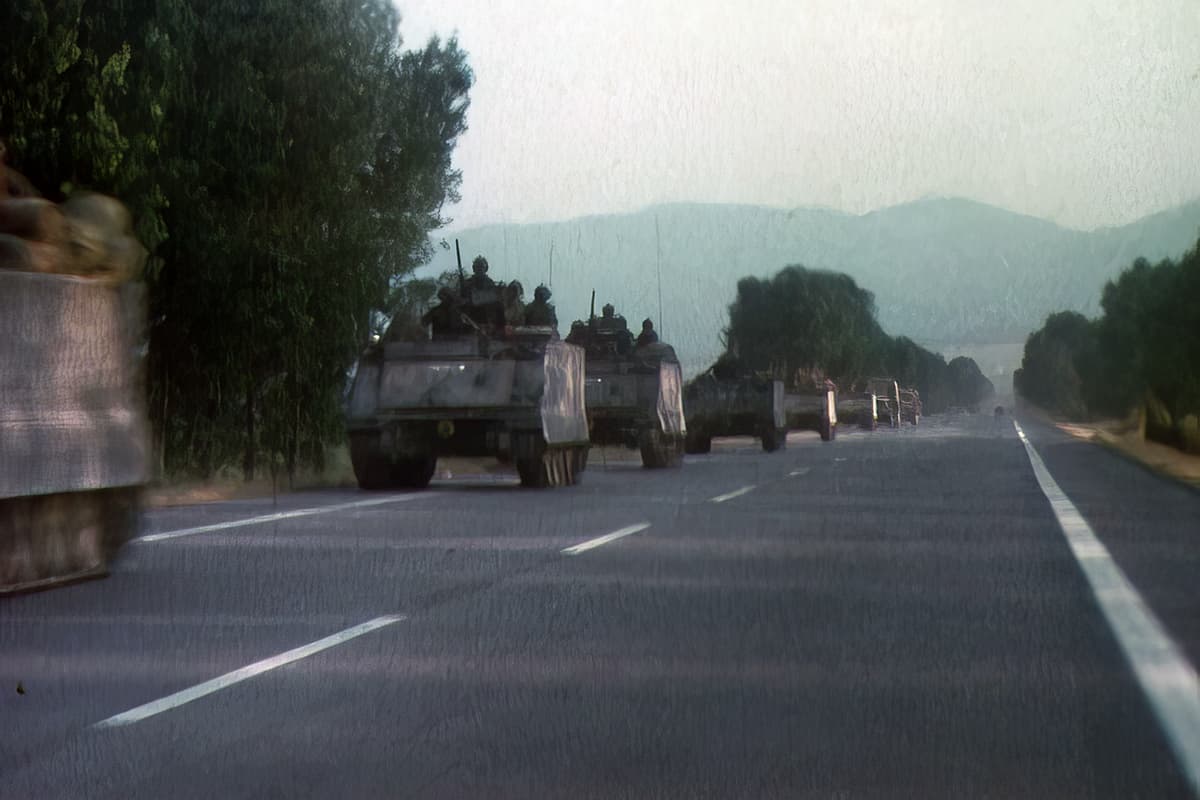
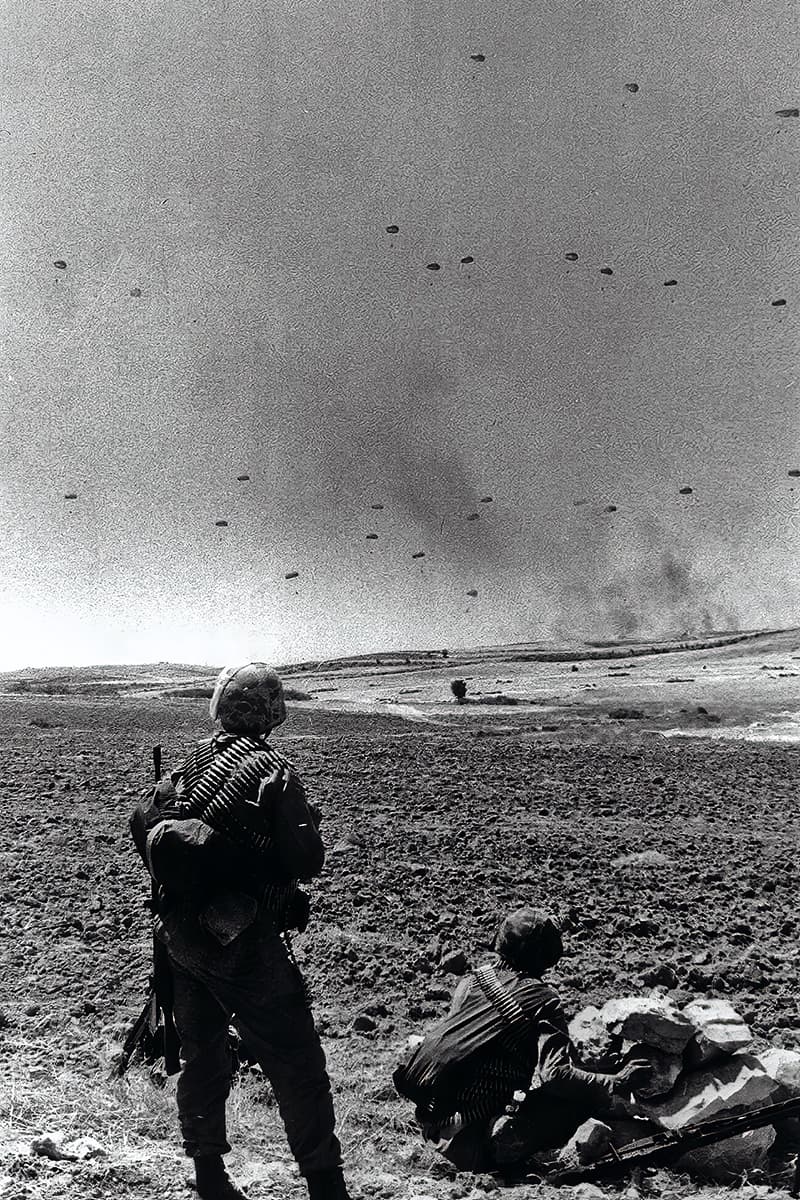
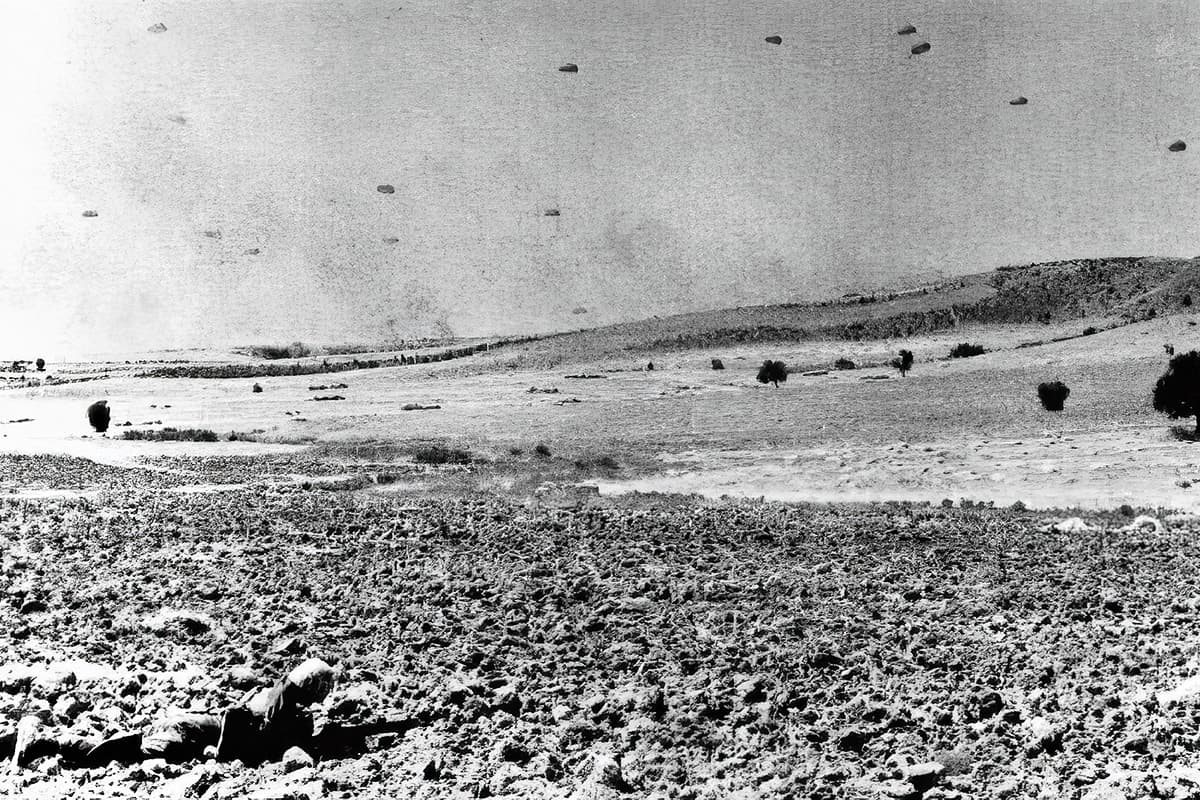
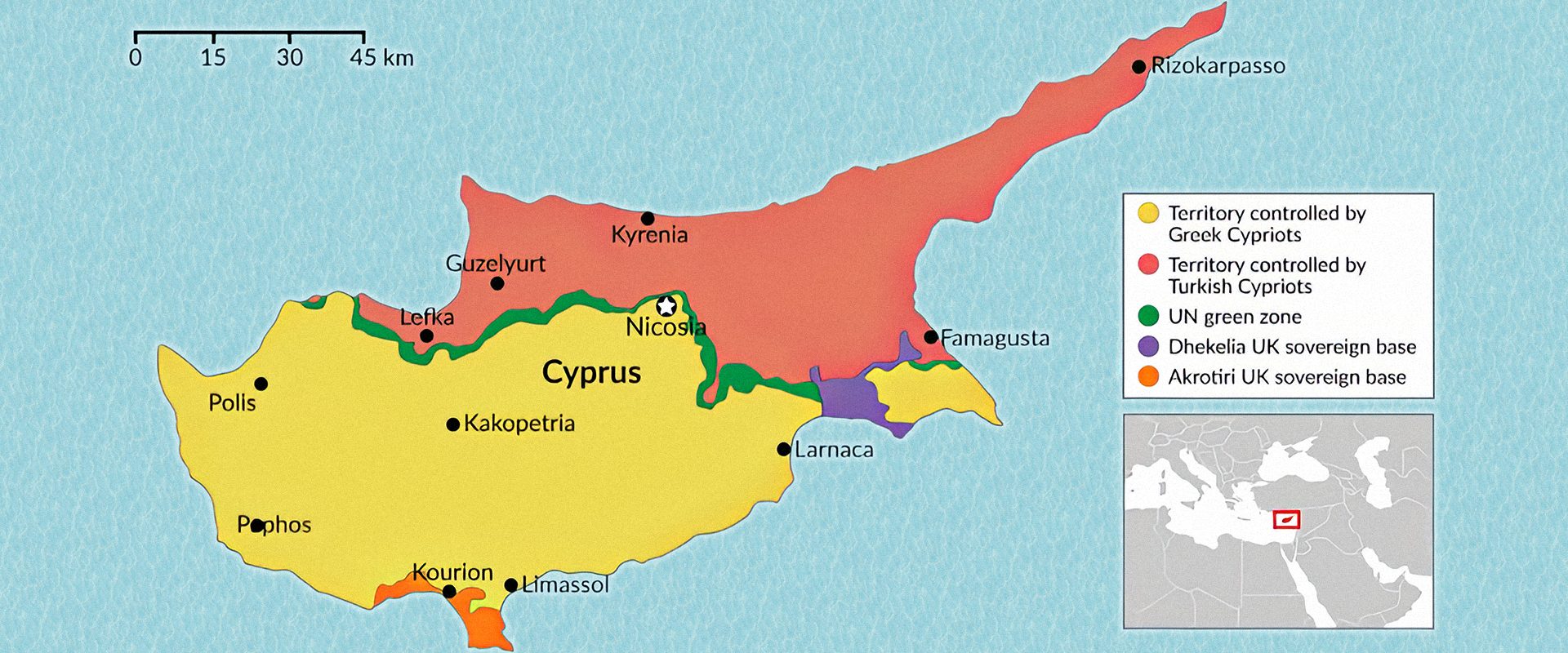
In July 1974 the Greek military junta inspired a coup on Cyprus. The president, Archbishop Makarios, was overthrown. Five days later, on 20 July, Turkey used the crisis as a pretext: Turkish troops landed on the northern coast, officially as a "peace operation". In reality it was a full-scale invasion. In August, after the junta and the coup had already collapsed, Turkey launched a second, even wider offensive. When the guns fell silent, the Turkish army controlled more than 36% of the island. It controls that territory to this day.
The price paid by ordinary people
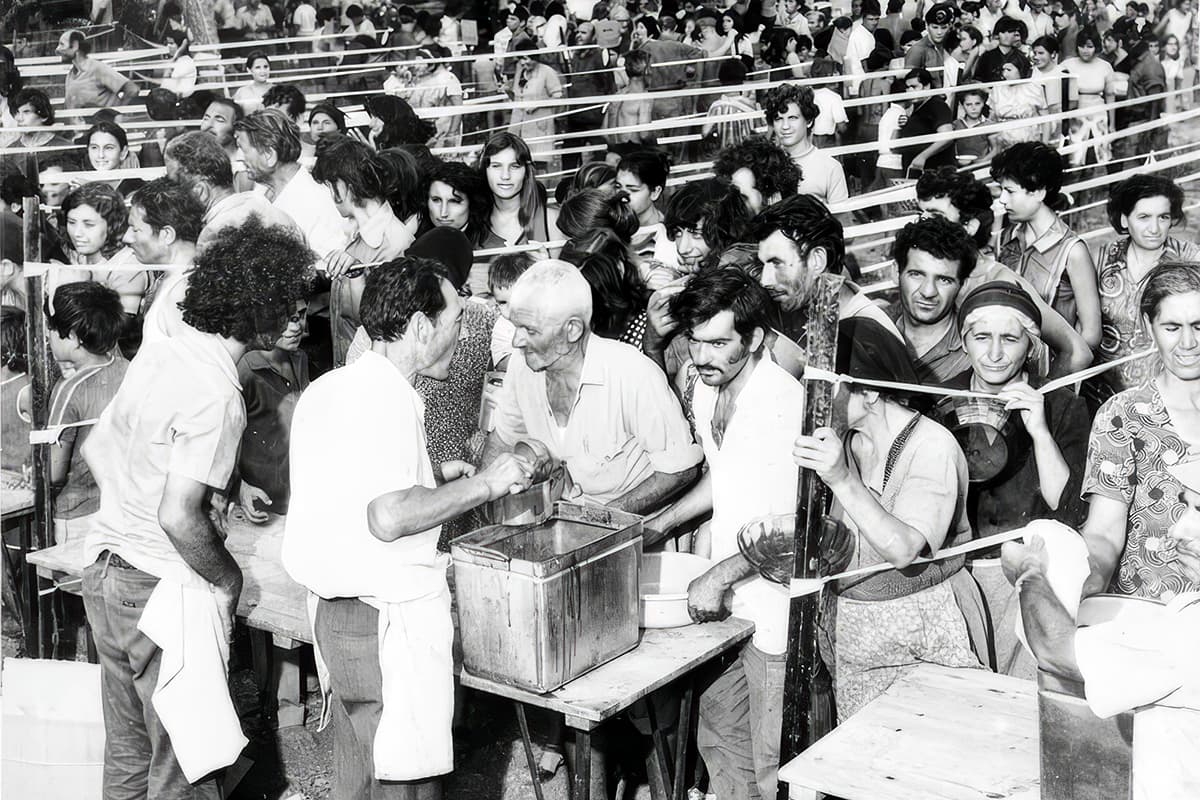
Behind the numbers are families who lost everything within days:
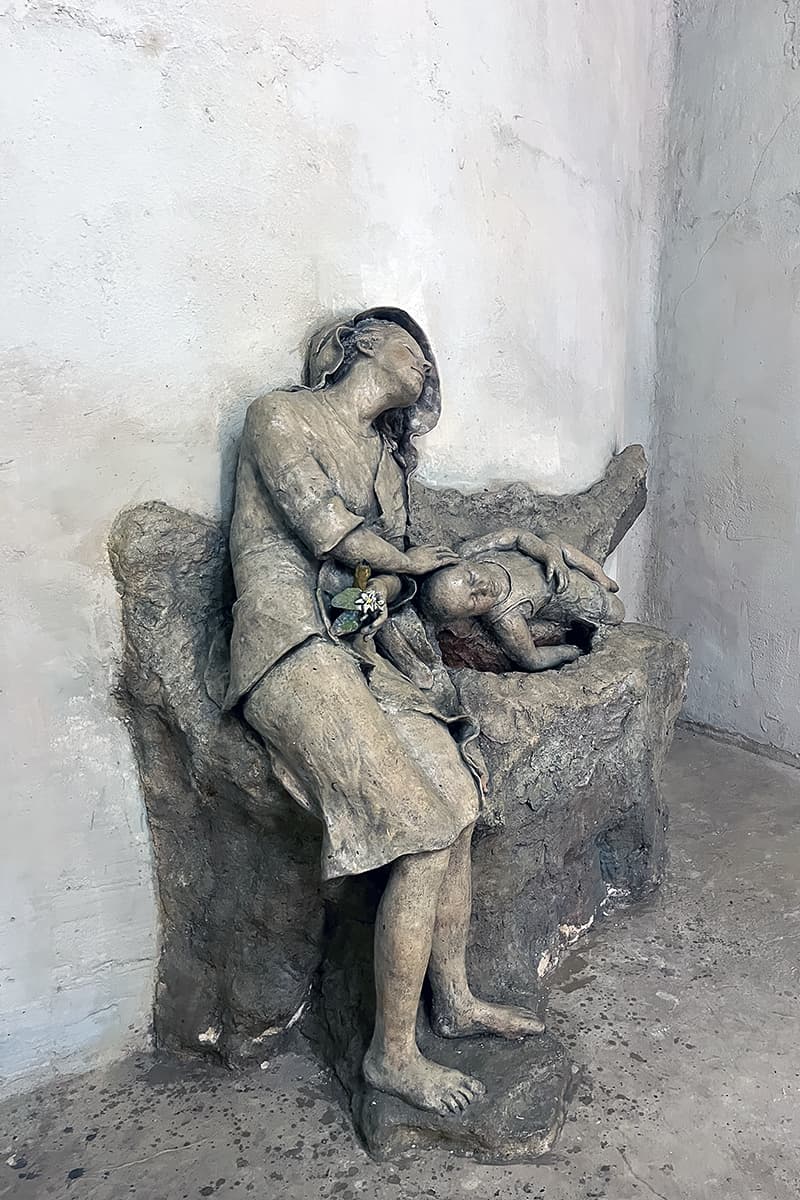
- Nearly 200,000 Greek Cypriots were driven out of their homes in the north. Tens of thousands of Turkish Cypriots were moved the other way, into the occupied areas. An entire society was torn apart.
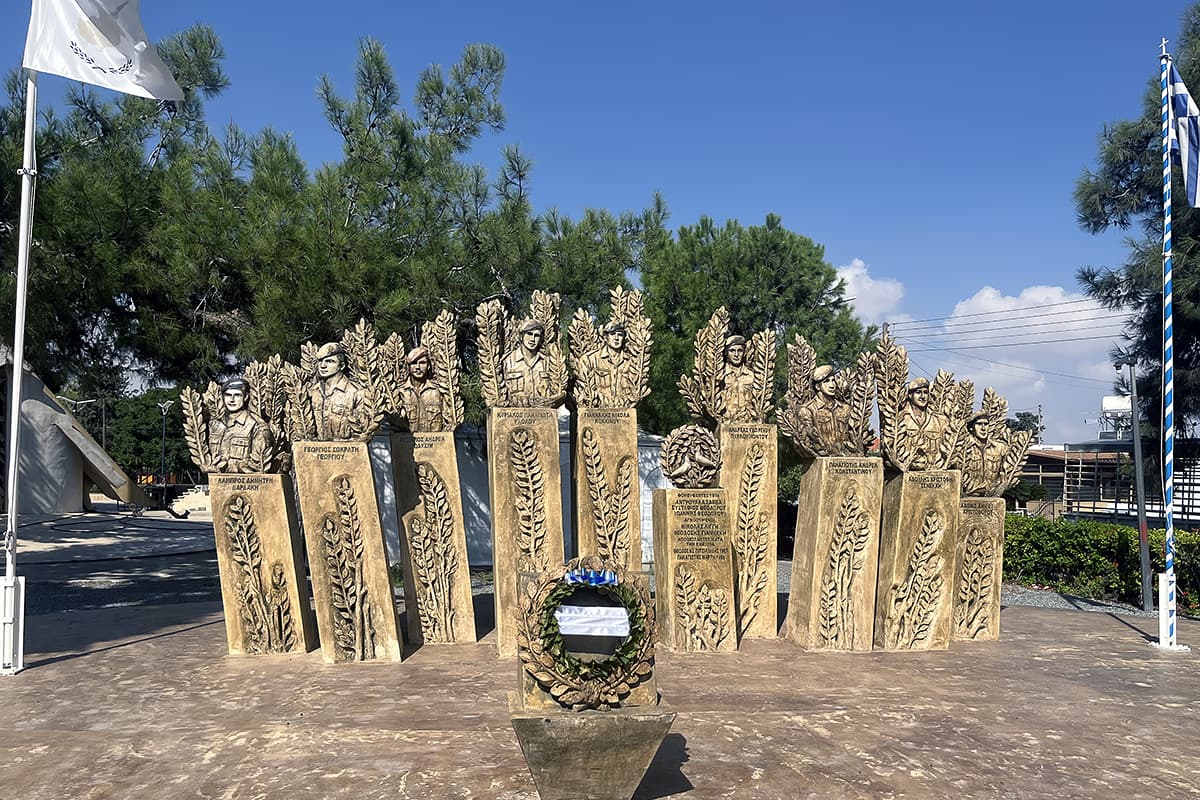
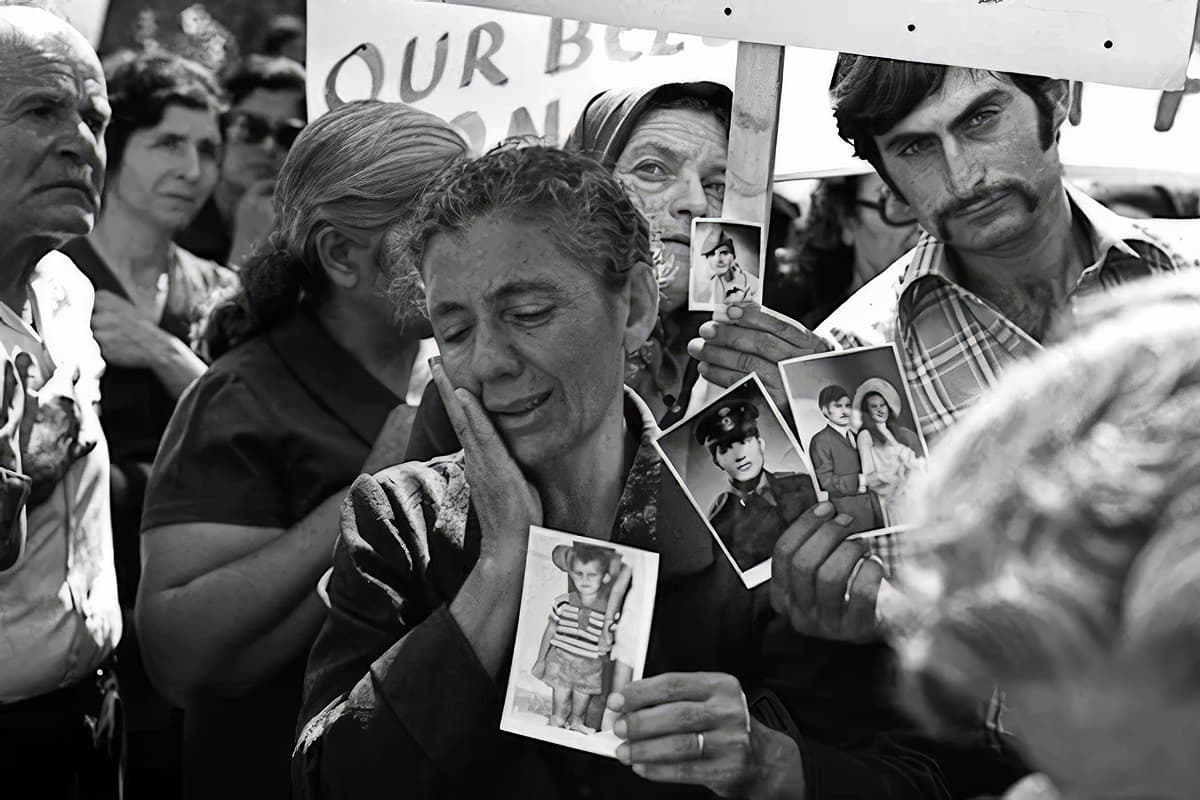
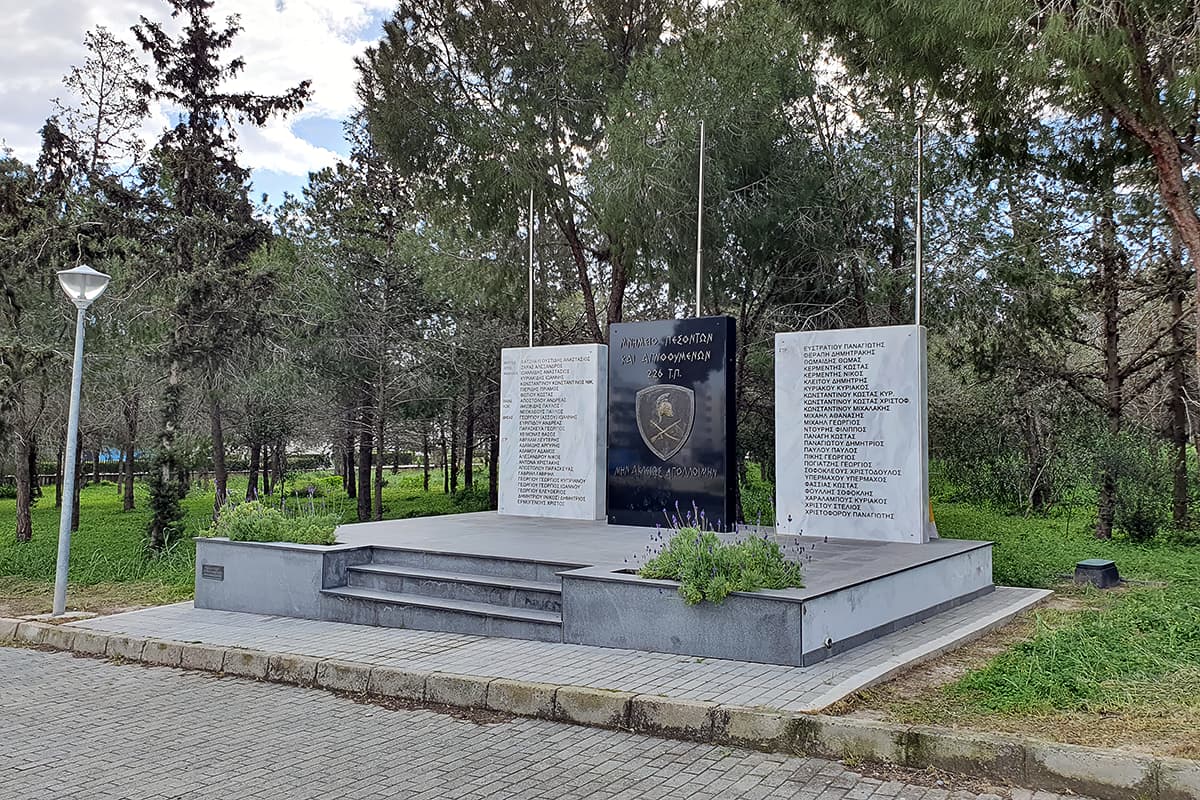
- Thousands were killed, and the fate of more than a thousand people remains unresolved. The Committee on Missing Persons still identifies remains found in unmarked graves.
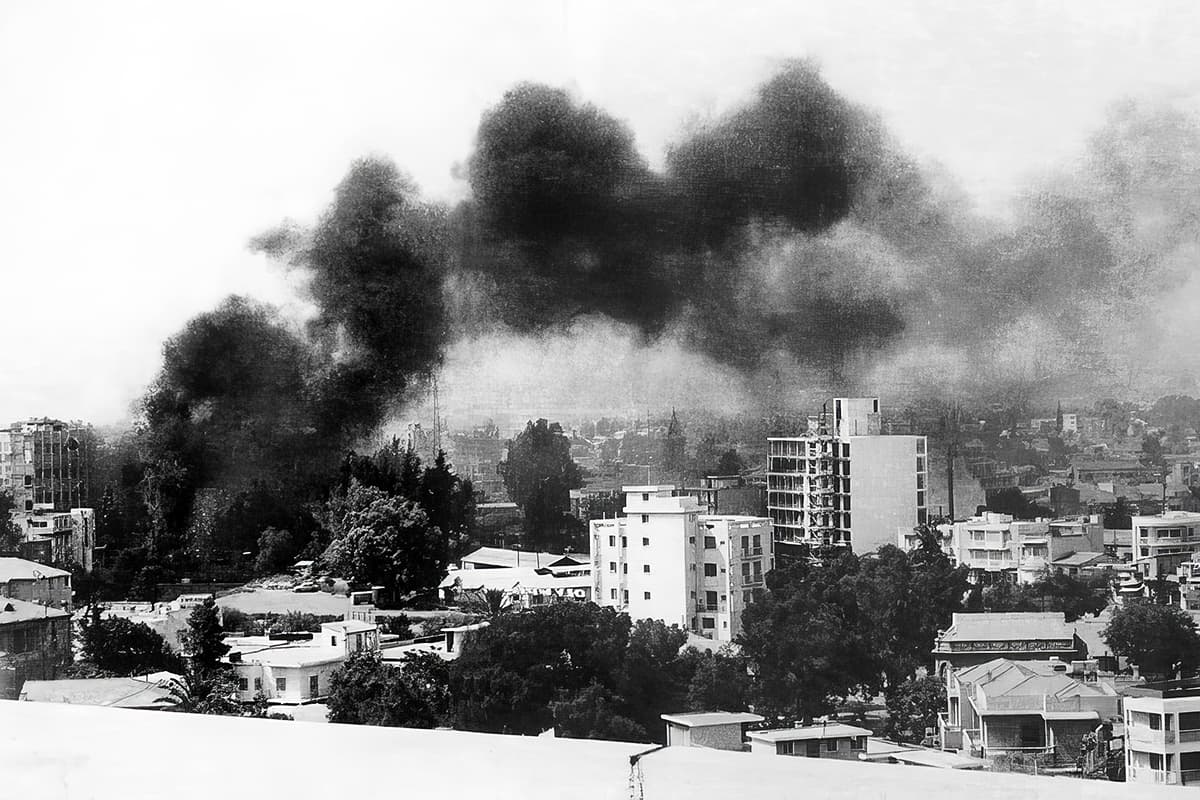
- Houses, land, churches and whole neighbourhoods were looted or destroyed.
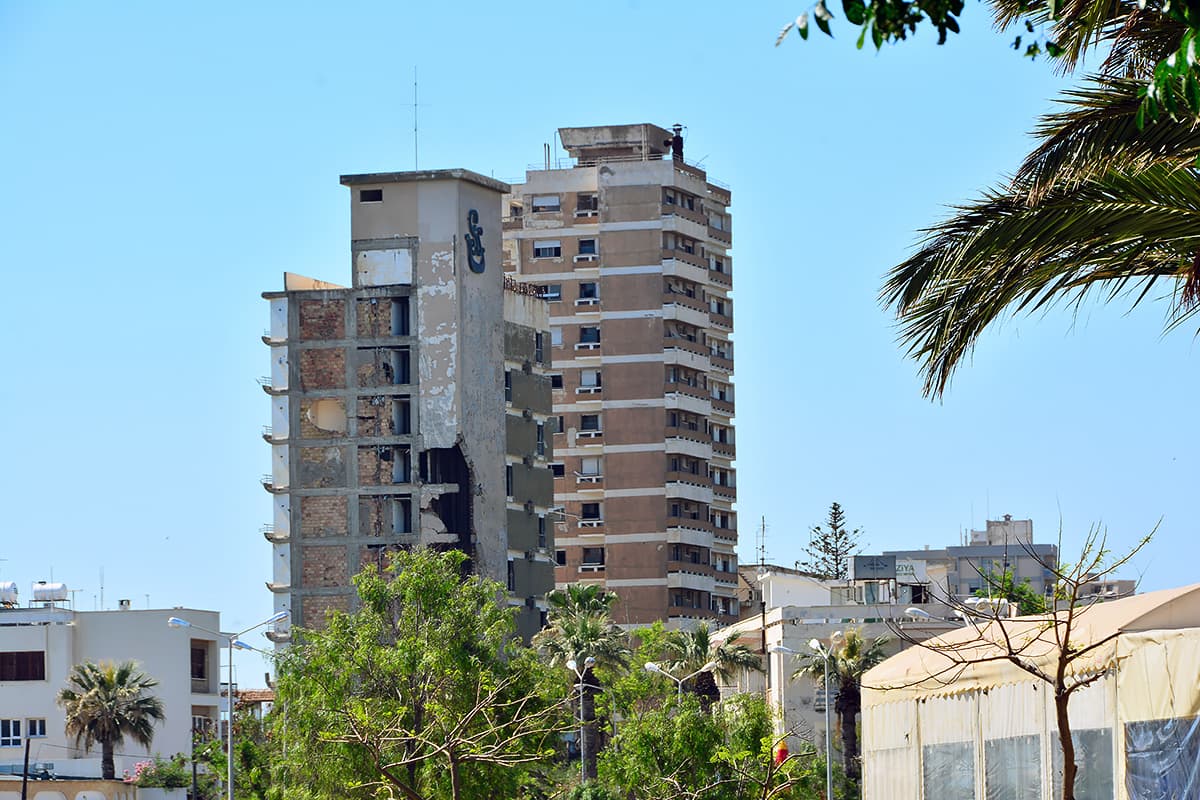
In many Cypriot homes in the south, a key still hangs on the wall. An ordinary front door key, for a door its owners have not opened since 1974. They are waiting. And Varosha, once the most famous resort of the eastern Mediterranean, stands behind barbed wire as a ghost town: empty hotels, time stopped.
An island still divided
The Republic of Cyprus, the legitimate state of the whole island and an EU member since 2004, controls the south. The north remains under Turkish military occupation. Through the very middle of Nicosia, the last divided capital of Europe, runs the Green Line, the UN buffer zone. The self-declared "Turkish Republic of Northern Cyprus" is recognised by exactly one country in the world: Turkey. UN resolutions have called for decades for the withdrawal of foreign troops and respect for the sovereignty of Cyprus. Without effect.
Why we say "the occupied north"
We do not use euphemisms like "the Turkish part of Cyprus". Words matter. This is territory taken by force and held by a foreign army against international law, which is what occupation means. That language respects historical truth and the dignity of the victims. And let us be clear: we condemn the invasion and the policy of the Turkish state, not ordinary people. Turkish Cypriots also paid a heavy price for this division, and many of them dream of a reunited island just as strongly as their Greek neighbours do.
Property in the north: do not buy stolen goods
Advertisements tempt with "cheap seafront apartments" in the north. Let us call it what it is: much of that land and housing belonged before 1974 to expelled Greek Cypriots. Selling it through the occupation administration is trading in stolen property.
- The law of the Republic of Cyprus (amended in 2006) treats buying, selling, renting out and even promoting such property as a criminal offence punishable by up to 7 years in prison.
- Judgments of Cypriot courts and of the European Court of Human Rights are enforceable across the entire European Union.
- Buyers risk losing their money, facing lawsuits and claims from the rightful owners, claims which do not expire however long the occupation lasts.
This is not a property market. It is dealing in stolen goods on the scale of a whole region.
Where we stand: with Cyprus
We run this website in the free south, and we ask our guests with full conviction: stay on this side of the island. Every euro spent in the occupied north, every night in a hotel built on looted land, strengthens a situation the world has declared unlawful. The south has everything: gorgeous beaches, the Troodos mountains, ancient theatres, wonderful food and people whose hospitality you will feel from day one. By choosing free Cyprus, you support the people this island belongs to.
We believe justice will prevail in the end: the island will be whole and free again, in the shape the Cypriots themselves dream of, and the families with keys on their walls will finally open their doors. Until then, we will keep saying it. With respect, with facts and with hope.
Want the full story of the island, all 12,000 years of it? Read our short history of Cyprus.
Gallery