Dwarf hippos, the world's first pet cat, a goddess born from sea foam, a grumpy Roman governor and a royal wedding in Limassol - the whole story of the island, era by era, minus the boring bits.
Cyprus has been invaded, bought, sold, gifted and fought over more often than almost any place on Earth. Not because anyone particularly disliked the Cypriots - but because the island sits exactly where three continents meet, and for most of history it was full of something everybody wanted: copper. Here is the whole story, era by era, with the boring bits left out.
Before the pyramids (10,000-2500 BC)
The first people reached Cyprus about 12,000 years ago and found an island inhabited by dwarf hippos and pygmy elephants the size of a large dog. (They ate them. All of them.) By 7000 BC the village of Choirokoitia was thriving - round stone houses behind a wall, today a UNESCO site you can walk around in an hour, four thousand years before the first pyramid.
In a 9,500-year-old grave at Shillourokambos, archaeologists found a man buried side by side with a cat - four thousand years before the Egyptians "invented" cat worship. The world's oldest known pet lived here.
The copper island (2500-1200 BC)
In the Bronze Age, Cyprus struck it rich - its mines fed the whole Mediterranean, and the island and the metal ended up sharing a name: Latin cuprum, copper, Kypros. A single shipwreck from that era, found off the Turkish coast, carried ten tons of Cypriot copper ingots. And in Pyrgos archaeologists dug up a 4,000-year-old perfume workshop - the oldest ever found. Trade and beauty, from the very start.
Greeks, a goddess and ten little kingdoms (1200-333 BC)
After the fall of Troy - say the legends - Greek heroes settled here, and the island has spoken Greek ever since: more than 3,000 years. Ten city-kingdoms grew up: Salamis, Kition, Kourion, Paphos… It was near Paphos, at the sea stack of Petra tou Romiou, that Aphrodite herself was said to have risen from the foam. Assyrians, Egyptians and Persians each collected tribute in turn; the little kingdoms bowed, paid, and quietly stayed Greek.
Local legend says that if you swim three times around Aphrodite's rock, you gain eternal youth. We can't guarantee the youth - the sunset there, however, is guaranteed.
Alexander and the Egyptian centuries (333-58 BC)
When Alexander the Great besieged Tyre, the kings of Cyprus sent him a fleet of 120 ships - and picked the winning side. After his death the island passed to the Ptolemies of Egypt for two and a half centuries, ruled from Paphos. Meanwhile a merchant's son from Kition named Zeno sailed to Athens and founded Stoicism. After copper, philosophy may be the island's most successful export.
Rome: a grumpy governor and a famous visitor (58 BC-330 AD)
Rome annexed Cyprus almost with a shrug. One of its governors was Cicero - who spent his term writing letters home complaining about the job. In 45 AD the apostles Paul and Barnabas walked across the island; in Paphos the Roman proconsul Sergius Paulus heard them out and believed - which lets Cypriots claim, with a smile, that theirs was the first land ever governed by a Christian. Rome's finest souvenir: the mosaics and clifftop theatre of Kourion, where plays are still staged today.
Byzantine Cyprus (330-1191)
When the Roman Empire split, Cyprus stayed with the Greek East for eight centuries - Orthodox, Greek-speaking, dotted with monasteries. Arab fleets raided the coasts in the 7th century; by the Salt Lake of Larnaca stands Hala Sultan Tekke, the shrine of Umm Haram, a revered site of Islam on a deeply Christian island. Cyprus in a nutshell. In the Troodos mountains, tiny barn-roofed chapels still glow with medieval frescoes - another UNESCO treasure.
The wedding that changed everything (1191)
In 1191 a storm hurled the ship carrying Berengaria of Navarre - fiancée of Richard the Lionheart - onto the coast near Limassol. The local ruler treated her shamefully. Richard arrived, was not amused, conquered the entire island in a few weeks… and married Berengaria in Limassol castle. It remains the only wedding of an English monarch ever celebrated on foreign soil.
Richard never actually wanted Cyprus. He sold it to the Knights Templar, who handed it back within a year ("too much trouble"), and it finally landed with the French crusader family of Lusignan.
French kings, Venetian walls (1192-1571)
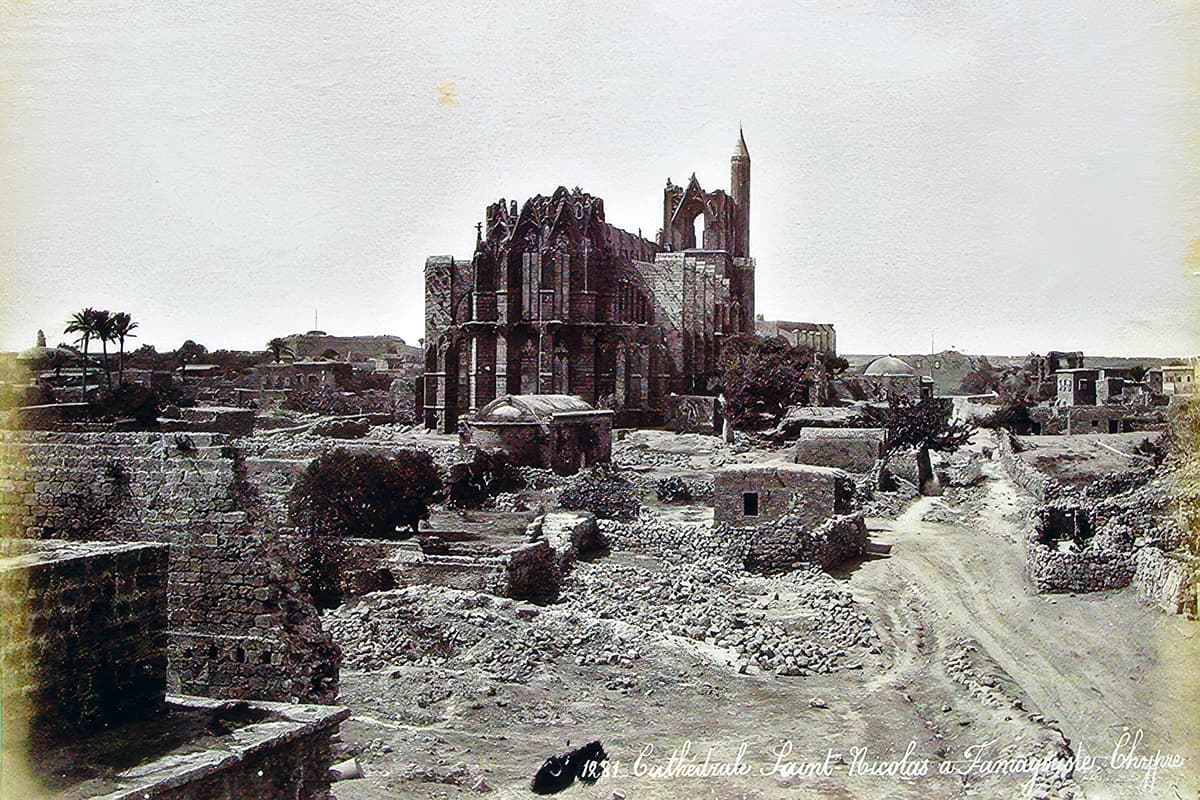
The Lusignans ruled for 300 years and built Gothic cathedrals that would look at home in Paris - you can still see them in Nicosia and Famagusta. Then Venice took over, "persuading" the last queen, Caterina Cornaro, into a comfortable Italian retirement in 1489. The Venetians ringed Nicosia with massive round walls (all eleven bastions still standing) and garrisoned Famagusta - where Shakespeare set Othello; the Othello Tower still guards the harbour.
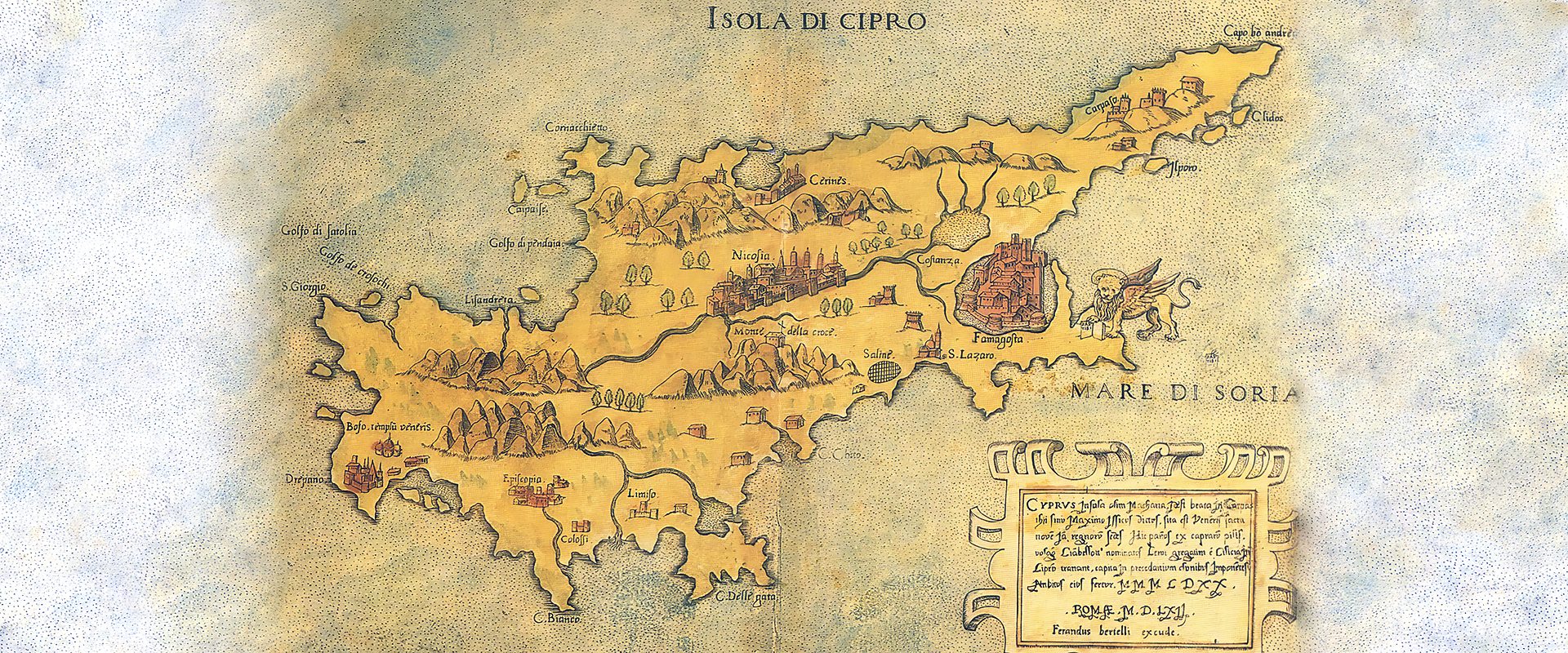
The map at the top of this article is Venetian too: engraved in Rome in 1562, with the winged lion of St Mark watching over Famagusta.
Ottomans and the British (1571-1960)
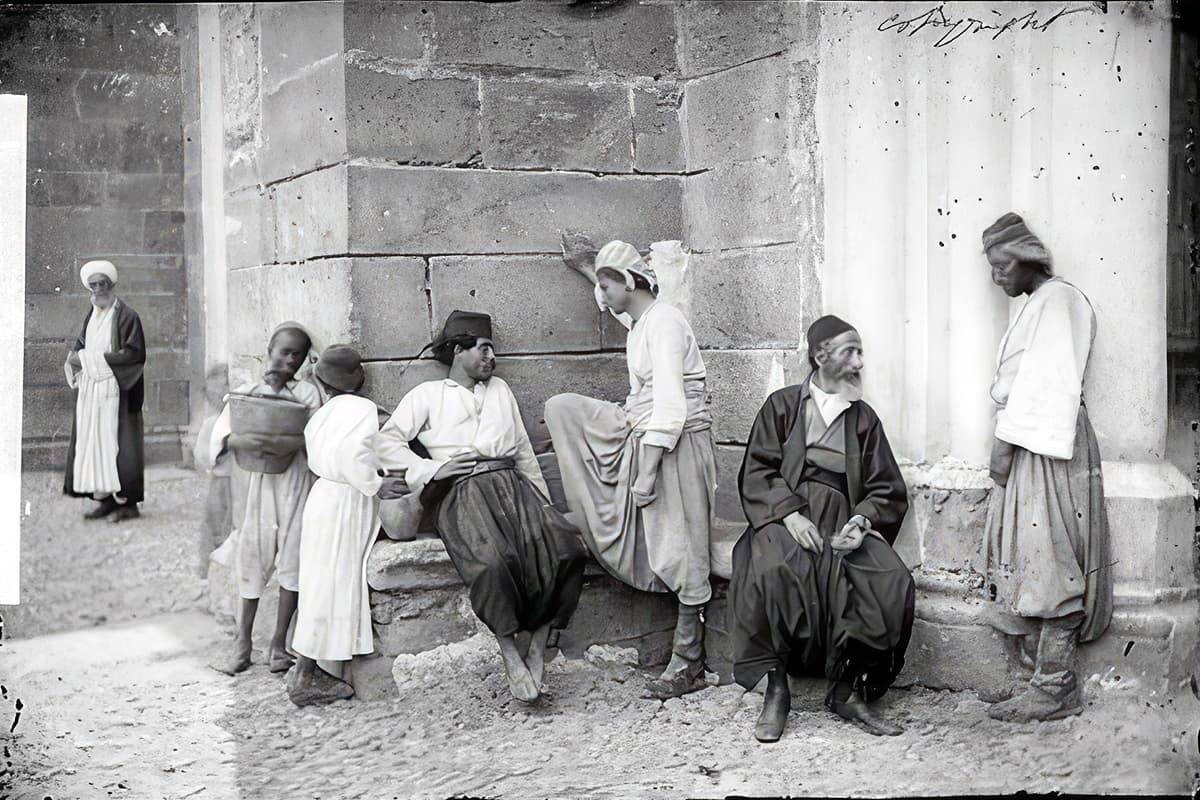
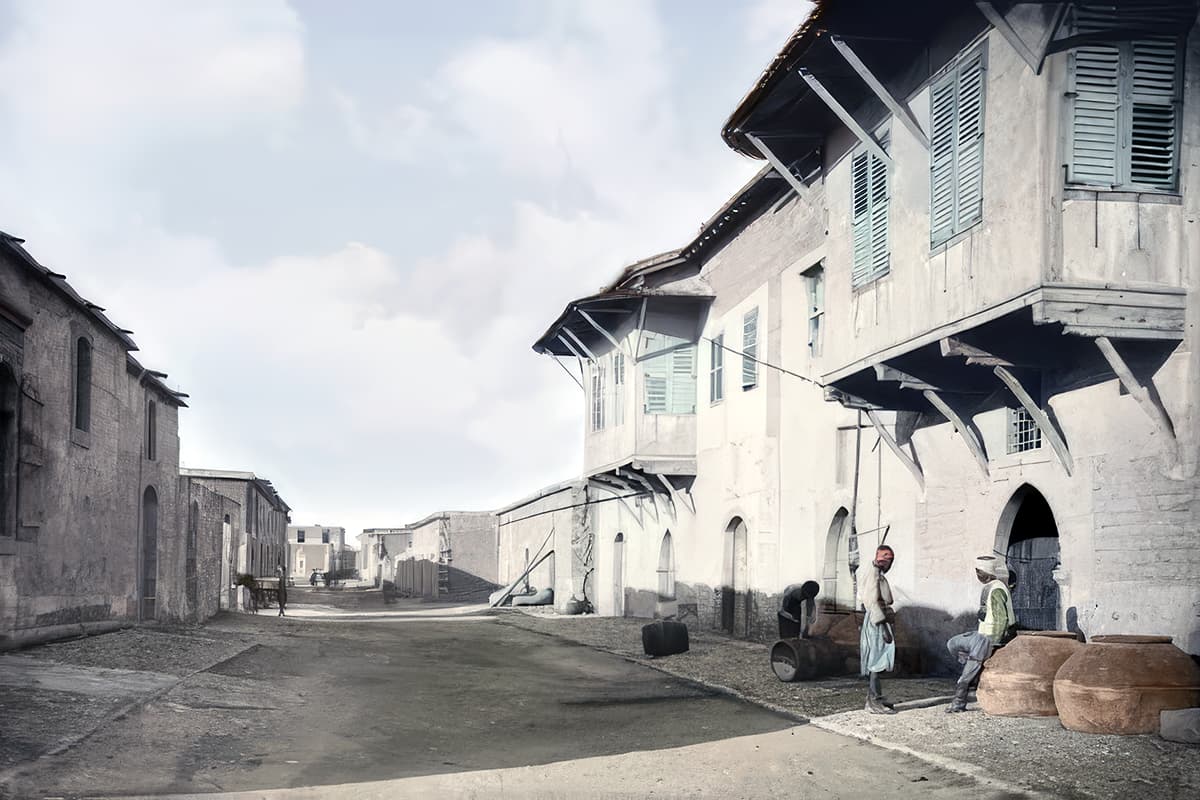
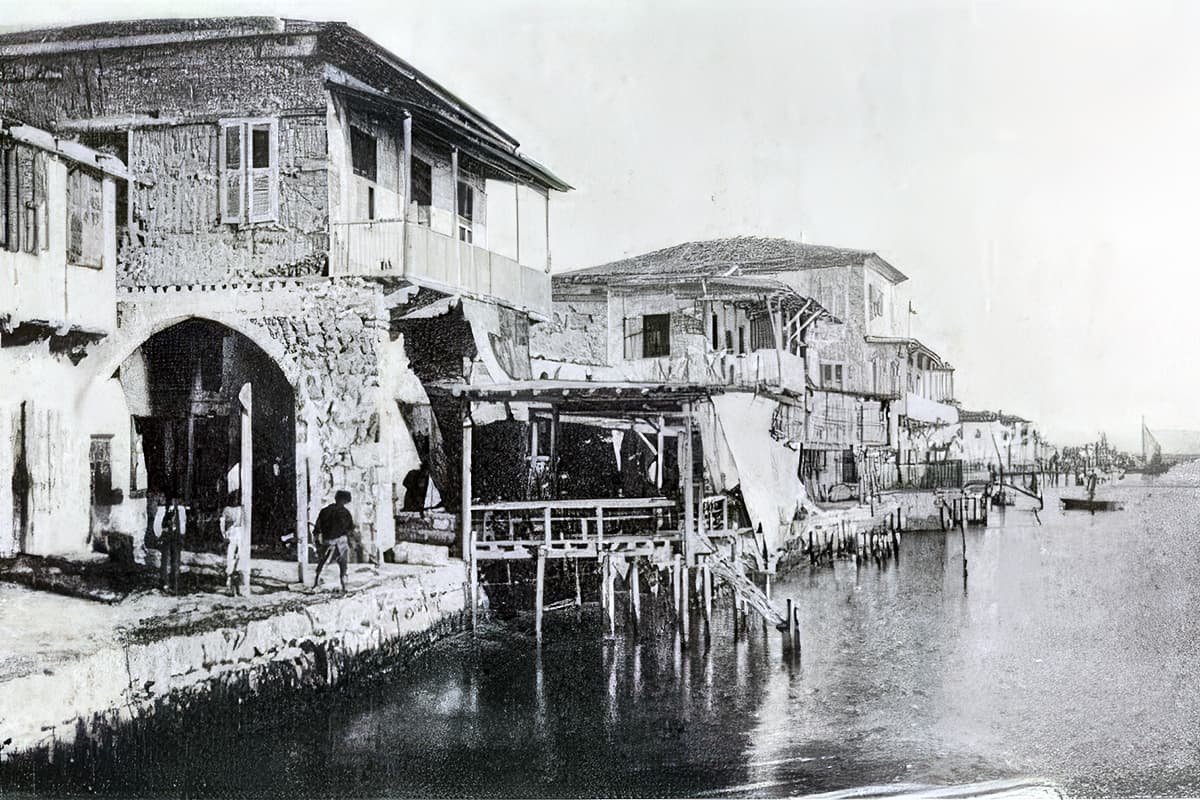
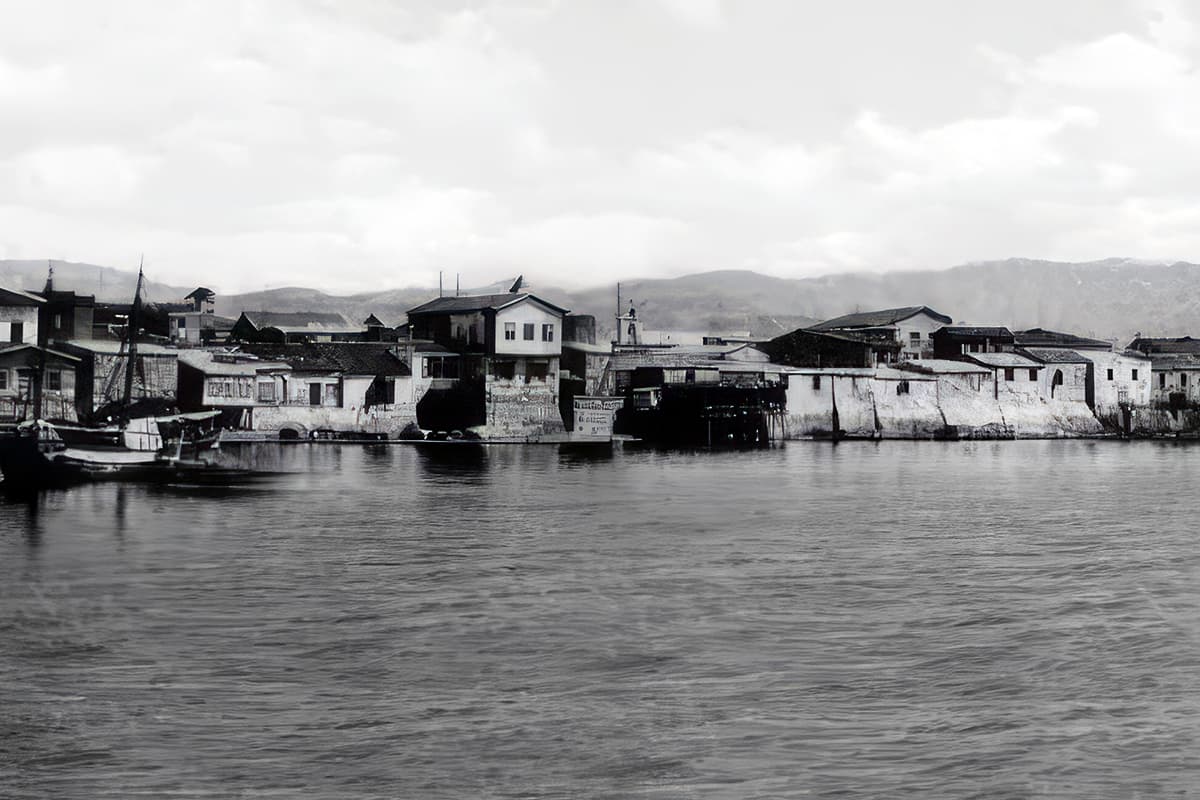
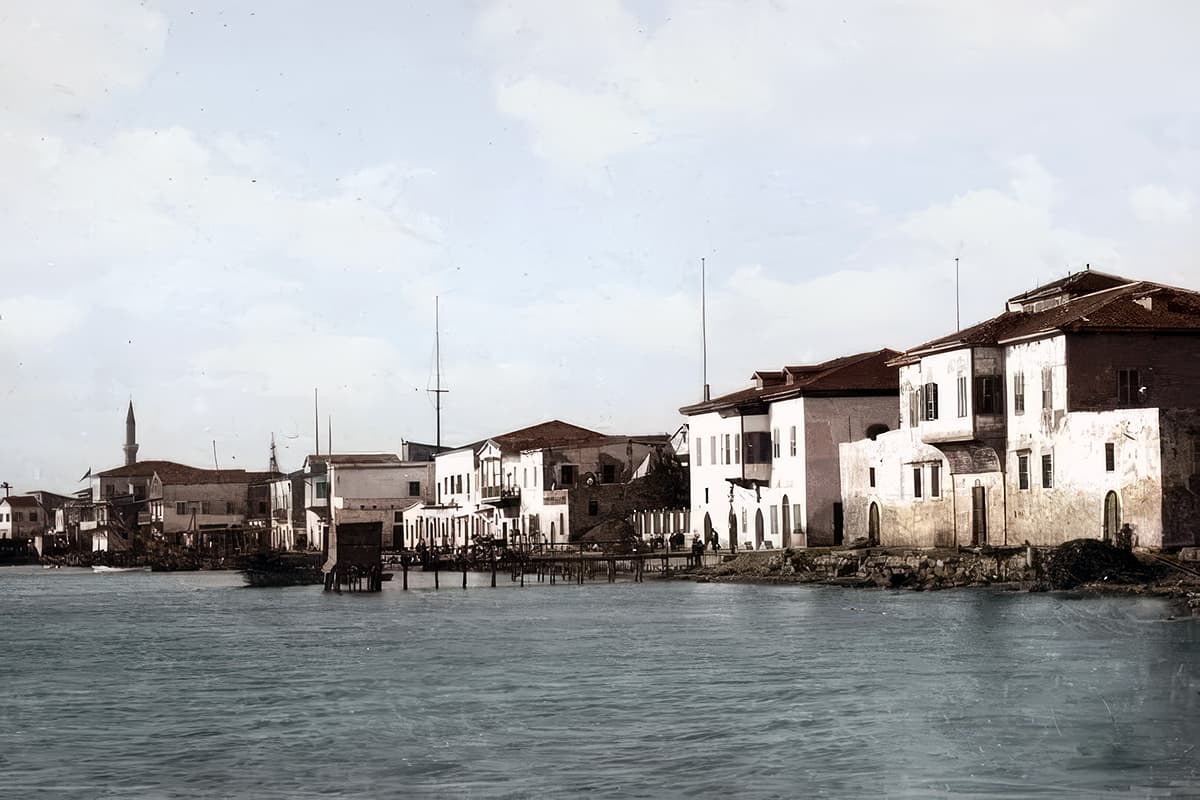
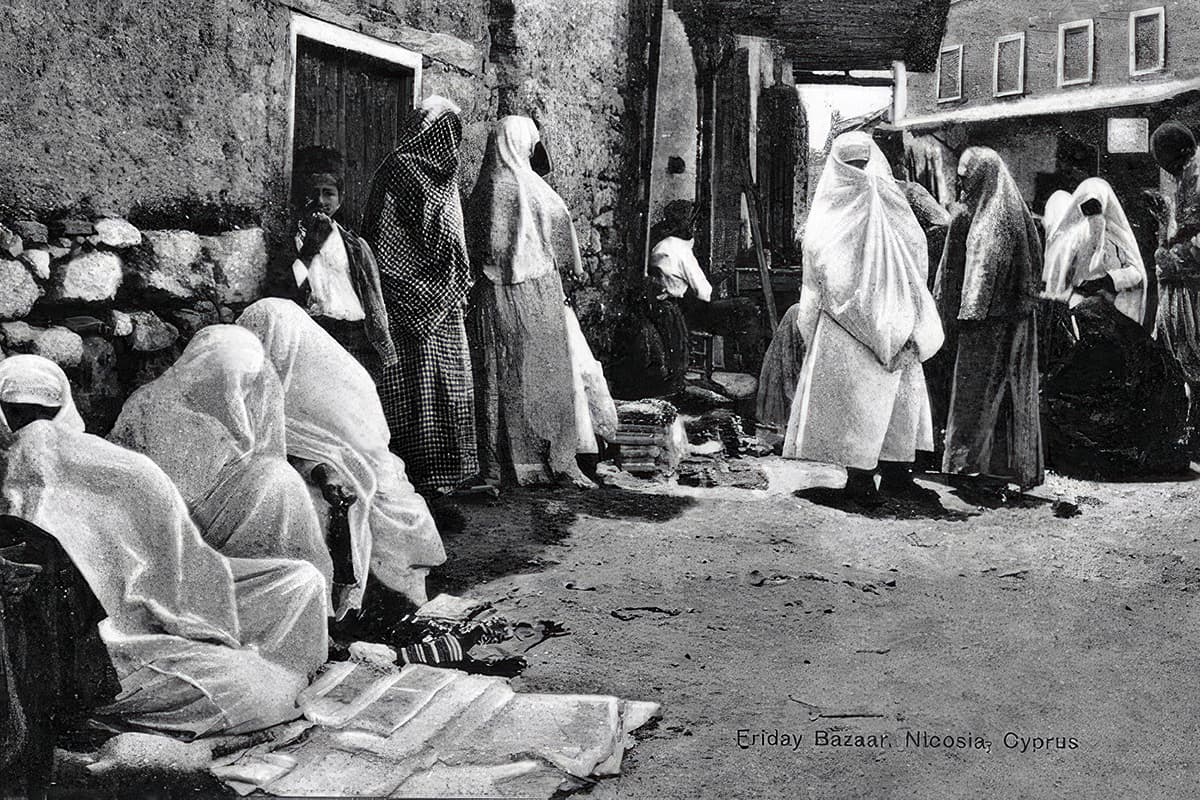
In 1571 the Ottomans took the island and kept it for three centuries of provincial quiet. In 1878 Cyprus was leased to Britain, which later annexed it. The British left behind left-hand traffic, colonial post offices and a solid habit of afternoon tea - while Cypriots increasingly wanted to govern themselves. In 1960 the Republic of Cyprus was born.
The island today
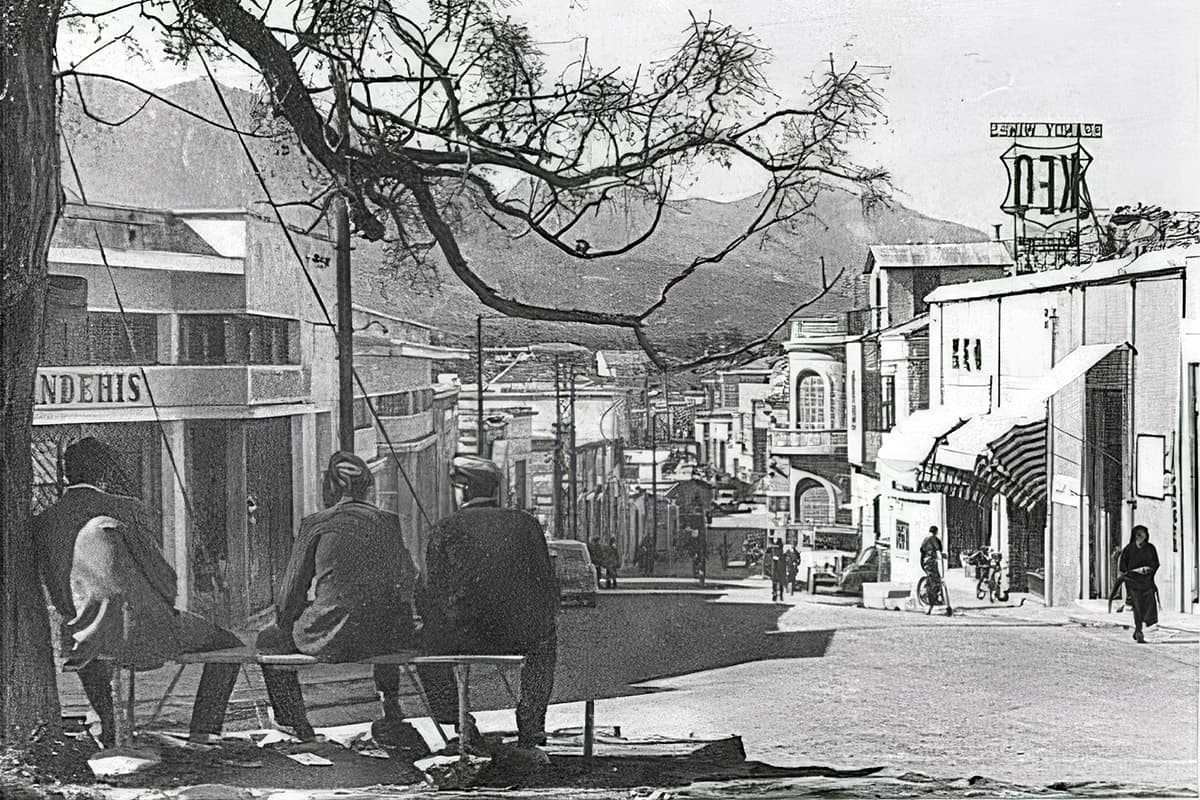
The dramatic events of 1974 divided the island. It is a big and painful subject, and we have written a separate article about it. Since 2004 the Republic of Cyprus has been a member of the EU. Today Roman mosaics sit next to beach bars, and a morning swim can end at a crusader castle. Twelve thousand years of visitors - you are simply the latest.
Where to touch it
- Choirokoitia - the Neolithic village (UNESCO), 30 minutes from Larnaca
- Kourion - Roman theatre and mosaics above the sea
- Petra tou Romiou - Aphrodite's beach
- Kolossi and Limassol castles - crusader stone and a royal wedding
- Nicosia - Venetian walls and the Cyprus Museum
Most of these are an easy day trip from our apartments. The history is right there - bring water and a hat.
Gallery